
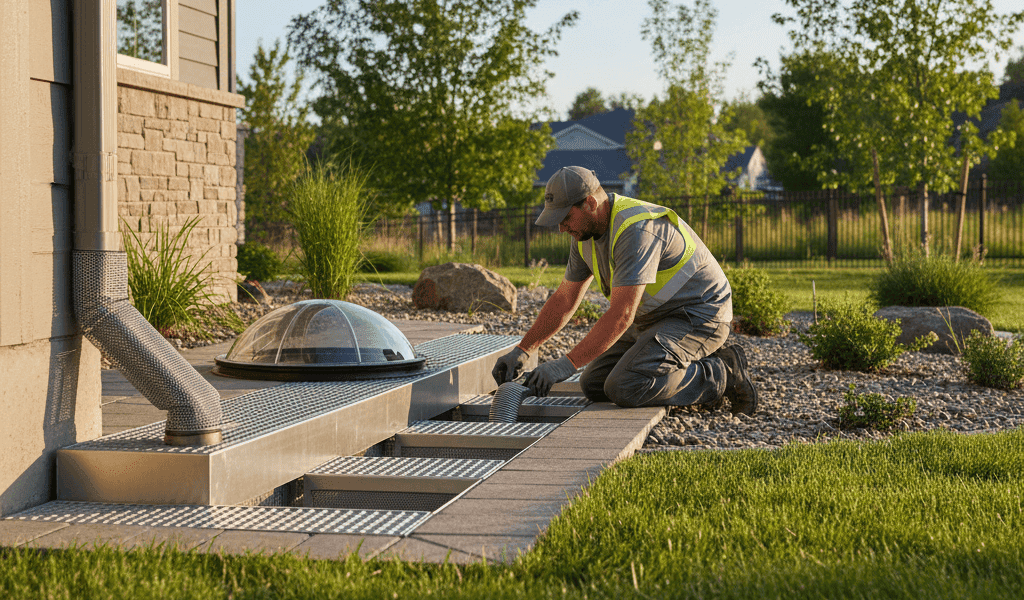

Exterior drain systems are the unsung heroes that keep yards dry patios usable and foundations stable. When they work well your property sheds water fast and evenly. When they clog water pools by walkways seeps into basements and causes costly damage.
This article explains how householders can protect exterior drain systems with clear steps small upgrades and sensible maintenance. You will get examples of what to watch for practical tips on routine care and guidance on when to bring in trained help.
Why exterior drain protection matters for your property
Water that cannot escape from around a building creates pressure against walls and soil that sits against foundations. Over months this can lead to cracked concrete mold growth and structural issues that are expensive to fix. Even short term ponding on patios and driveways leads to stains and accelerated material wear.
Good drain care preserves outdoor living spaces and reduces the chance of interior water problems. It also keeps landscaping healthy since standing water stresses plants and invites pests. The small amount of time spent on maintenance often pays for itself in avoided repair bills.
Common causes of exterior drain clogs and failures
Understanding how clogs form helps you target prevention. Typical causes include
- Leaf and yard debris that falls into grates and gutters
- Sand and silt that gets washed into channels during storms
- Tree roots that invade joints and pipes searching for moisture
- Grease and sediment from outdoor cooking stations or driveways
- Collapsed or misaligned pipe sections after ground movement
Each cause demands a different response. For example screening and regular clearing deal with leaves and trash while root intrusion calls for mechanical cutting or pipe replacement.
Seasonal maintenance checklist for exterior drains
Simple season based routines prevent many problems before they start. Aim for these tasks at least twice a year more often if your property sits under trees or in windy areas.
- Clear debris from gutter outlets downspout openings and surface grates
- Blow leaves away from surface drains after storms
- Run water through drain lines to check flow and spot slow drainage
- Inspect visible piping for cracks misalignment or ponding
- Trim tree branches that hang over gutters and channels
Spring focus
After winter melt check for silt and gravel that may have accumulated in channels. Test downspout discharges to confirm they direct water away from foundation areas.
Fall focus
Clear leaves before heavy rains begin and consider adding gutter guards or grates to reduce the load on your regular maintenance routine.
DIY techniques that work and when to stop
There are effective homeowner methods for routine care and small clogs. These are fine for early detection and minor issues but stop and call a professional when obstruction persists or when you see signs of structural damage.
Safe cleaning methods
Hand clearing with gloves and a scoop is the first step for surface grates and gutter outlets. A plumber s snake works well for short runs and shallow blockages. A garden hose with a high flow nozzle can flush sediment out of many lines. Simple mechanical tools avoid chemical cleaners that may harm soil and plants.
Warning signs that require professional attention
Slow draining that returns after you clear visible debris multiple collapses or repeated root regrowth are all signals to stop DIY work. Professional inspection tools such as video cameras and hydro jetting handle deep or stubborn clogs without guessing at the cause.
Tools and materials every homeowner should have
Keeping a modest kit on hand makes quick jobs simple. Assemble these basics so you can act at the first sign of trouble
- Sturdy gloves and a small hand rake for surface cleaning
- A plumber s snake for short pipes and traps
- A pressure nozzle for your garden hose to flush lines
- Replacement grates and downspout extensions for upgrades
- Plastic buckets and a brush for collecting and disposing of debris
When you purchase tools pick ones that fit the scale of your property. A large estate may need longer snakes and a more powerful flushing nozzle than a small urban yard.
How professionals handle tough exterior drain problems
When restrictions are hard to clear or when repeated blockages happen trained technicians use diagnostic tools and repair methods that are not practical for most homeowners. These methods include video inspection to locate breaks and root intrusion non destructive cleaning with high pressure water and targeted repairs such as pipe lining or section replacement.
If you prefer an outside service search for local providers that focus on outdoor systems and storm drains. For example one reliable source of help in Houston can be found at exterior drain cleaning specialists. A proper provider will explain options show video findings and give a clear plan for repair including cost estimates.
Design upgrades that reduce future maintenance
There are small investments that smooth water flow and cut the work you need to do. Consider these improvements
- Installing gutter guards to stop leaf entry into outlets
- Adding downspout extensions that move water farther from foundations
- Grading soil to slope away from buildings so water drains instead of pooling
- Using catch basins with removable baskets for easy cleaning
- Replacing broken jointed pipes with seamless runs that resist root intrusion
Some changes such as regrading or replacing long sections of pipe are major but they reduce recurring costs and make flood events less damaging.
Routine inspection tips that help you catch problems early
Set simple habits that let you spot trouble before it becomes urgent. Walk your property after heavy rain and look for pooling around patios stairs and foundation walls. Listen for gurgling when downspouts are heavy and compare flow from similar drains to find weak spots.
- Note drain flow during a normal rain and during a heavy storm to identify slow sections
- Keep a log of any clogs repairs and the date they were serviced
- Take photos of connections and piping to track movement or deterioration over time
Small records help professionals diagnose recurring issues and give you a clear history if you need to claim on a home warranty or insurance.
Conclusion
Protecting exterior drain systems starts with routine attention and continues with smart upgrades and timely professional help. Regular clearing of grates and gutters prevents the most common clogs while seasonal checks catch sediment and root intrusion before they lead to collapse. Equip your property with basic tools and a short maintenance checklist and you will cut the chance of emergency repairs. When problems persist or when you suspect pipe damage get a professional diagnosis rather than guessing at fixes. A trained inspection can save significant money by targeting the true cause and recommending the right repair method. Take action this season by walking your yard after the next rain clearing visible debris and scheduling a camera inspection if you notice reduced flow or repeated blockages. Protecting drains protects your foundation landscaping and outdoor living spaces and that protection starts with small regular steps you can take today.