


Doubt hits hard when life flips upside down, making people question what they once believed. It feels like a wild storm shaking the ground beneath their feet, testing even the strongest beliefs and faith. But doubt isn’t just trouble; it can unlock new strength. Facing tough times head-on helps build faith deeper than before. Many people who stay strong learn to use doubt as a stepping stone, not a barrier. Believe it or not, research shows faith often grows stronger after big struggles. Wrestling with doubt uncovers new truths and makes beliefs deeper. For anyone wanting to keep their spirit alive during rough times, simple, powerful ideas can turn doubt from an enemy into a friend that helps growth. Spiritual resilience means not never falling, but bouncing back stronger than ever. Keep reading to discover how to turn doubt into strength and rise higher.
The Nature of Doubt
Doubt is a natural part of the human experience. It arises from the interplay of complex emotions, logical analysis, and our inherent desire for certainty. Doubt can be triggered by a myriad of factors, such as personal setbacks, exposure to different viewpoints, or witnessing suffering in the world. At times, it may feel like a crisis, but it can also be an invitation for growth and deeper understanding.
Doubt’s Impact on Faith
Doubt can have profound effects on our faith, testing its authenticity and durability. For some, doubt may lead to a profound reevaluation of their beliefs, while for others, it can engender a stronger conviction. It is essential to recognize that questioning one’s faith does not imply weakness; instead, it can pave the way for a more robust and resilient spiritual foundation.
Embracing Doubt with Openness
Rather than suppressing or ignoring doubt, we should embrace it with openness. This requires acknowledging our uncertainties and engaging in honest self-reflection. We can start by identifying the specific aspects of our beliefs that trigger doubt and exploring the reasons behind our skepticism. Engaging in dialogues with those who have experienced similar struggles can provide valuable insights and a sense of shared understanding.
Cultivating a Supportive Community
Building and sustaining faith in challenging times can be made more accessible when surrounded by a supportive community. Connecting with like-minded individuals who have traversed similar paths or who are willing to journey alongside us can create a sense of belonging and acceptance. Such communities can offer opportunities for shared spiritual practices, discussion, and encouragement, fostering growth amidst doubt.
Studying Sacred Texts and Wisdom Traditions
Exploring the wisdom contained in sacred texts and traditions can be illuminating during times of doubt. Delving into the teachings of one’s faith, listening to spiritual leaders, and engaging in meaningful study can provide valuable insights and perspectives. Moreover, these practices can reinforce faith by reaffirming the timeless wisdom that has guided countless generations before us.
Mindfulness and Contemplative Practices
Practicing mindfulness and engaging in contemplative exercises can help us navigate doubt with greater clarity. Mindfulness allows us to observe our doubts without judgment, giving us the space to process and understand them better. Contemplative practices, such as meditation and prayer, can also lead to moments of profound insight and connection with our inner selves and the divine, nurturing faith even amidst uncertainty.
Seeking Guidance and Mentorship
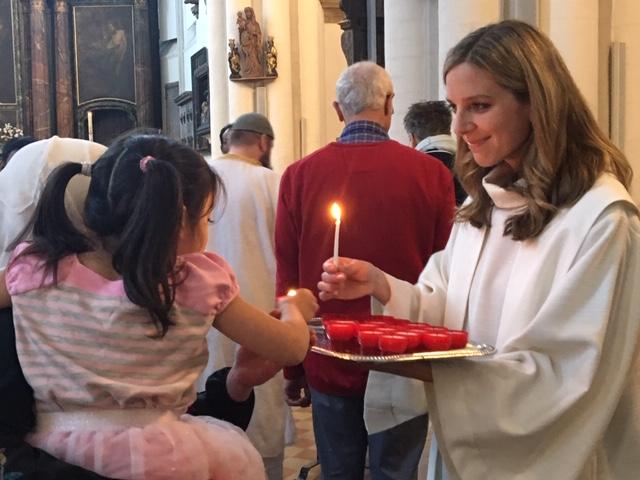
In challenging times, seeking guidance from spiritual mentors or advisors can be immensely beneficial. Experienced spiritual guides can offer fresh perspectives, empathetic listening, and valuable advice on how to navigate doubt while remaining grounded in faith. A mentor’s presence can provide a reassuring source of support during the tumultuous journey of self-discovery.
Embracing Change and Growth
It is crucial to recognize that faith is not static but rather a dynamic force that evolves with our experiences and understanding. Embracing change and personal growth is an integral part of the faith-building process. Doubt can be a catalyst for transformative growth, allowing us to shed old beliefs that no longer resonate and embrace new insights that align with our evolving spiritual journey. For more insights and further information about building and sustaining faith, visit BibleKeeper to learn more.
Conclusion
In the face of doubt and challenging times, building and sustaining faith requires courage, introspection, and an openness to growth. Doubt can be an essential teacher, leading us to a deeper understanding of our beliefs and fostering spiritual resilience. By embracing doubt with curiosity and surrounding ourselves with a supportive community, engaging with sacred texts and contemplative practices, seeking guidance, and accepting change, we can navigate doubt and emerge with a stronger and more profound faith than ever before. Remember, it is in the crucible of doubt that the true essence of faith is forged.