
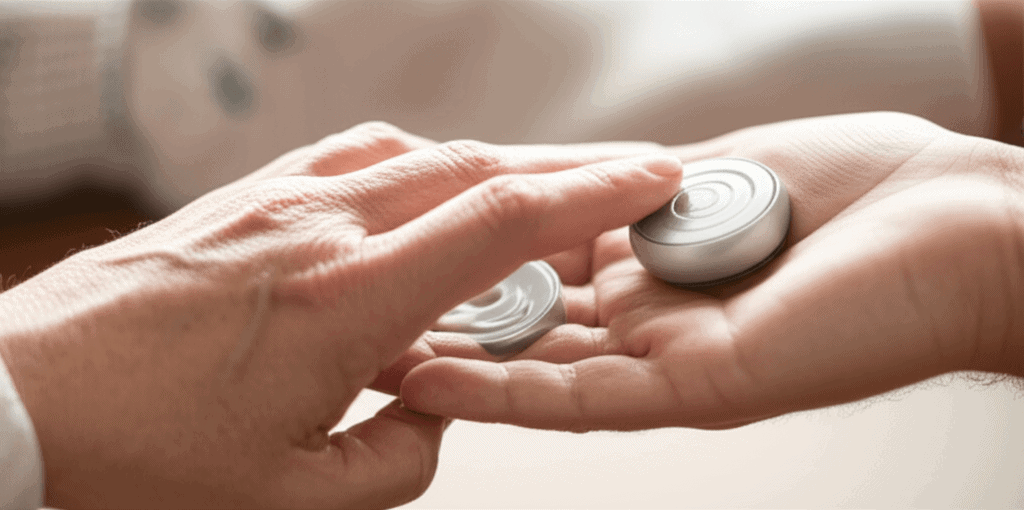

When a health emergency hits at home, a small device can save the day. A medical alert button might be tiny, but it lets loved ones call for help fast. It often becomes the heart of a safety plan for seniors, people with health problems, and even kids. These buttons work like secret superhero tools, offering quick aid when every second counts. Ever thought about how to be ready before trouble starts? This simple gadget can actually save lives. Find out why these little lifesavers pack a punch worth knowing about.
This article examines why a medical alert button is a practical family safety solution. I will share concrete features to watch for plan choices to compare daily use tips and real world examples. Read on to get useful information you can use when deciding what fits your family needs.
Why a medical alert button makes sense for family safety
A medical alert button acts like a direct link between a person in trouble and a response team or a selected contact. It reduces the time a family needs to wait for help. When seconds matter a single press can lead to a phone call emergency dispatch or a text notification depending on the product.
Three clear reasons to consider adding one to a family plan are quick response times lower risk during lone activities and a defined procedure that family members can follow. Each of these points has measurable effects. For example response times for monitored devices often fall within one to three minutes after activation. That compares favorably to waiting for a neighbor to notice an issue.
Key features to look for in a medical alert button
Not all options are equal. Some devices are simple wearables while others combine GPS cellular and monitoring services. Here are the most important features to weigh.
- Two way communication A device with a speaker and microphone lets the user speak directly with a responder. This helps with verification and gives instructions while waiting for help.
- Water resistance Falls can happen in the shower or near a sink. A water resistant model remains usable in wet conditions.
- Battery life and alerts Look for clear low battery warnings for both user and family contacts. Some systems send an alert when battery power is below a threshold.
- GPS location For family members who travel or spend time outdoors GPS helps emergency services find them fast.
- Range If the device relies on a base station check the indoor and outdoor range. Wearable cellular models avoid range limits but may require a service plan.
- Subscription plans Compare what monitoring services include who answers calls and response times. Cost can vary by level of service.
How to choose the right plan for each family member
Every family has different daily rhythms and risk profiles. Choosing a plan that matches lifestyle makes the device useful instead of ignored. Here are practical steps to follow.
- Make a list of who will carry or wear a device and where they spend most of their time.
- Decide whether a monitored service is necessary or if a direct alert to family contacts will do.
- Set a budget for monthly and annual costs and weigh included features against that budget.
- Confirm contract terms such as cancellation windows and whether the device is locked to a specific provider.
Deciding between monitored and self response plans
Monitored plans include a trained responder center that takes action when the button is pressed. This can be vital if the person might be unable to speak. Self response plans notify preselected contacts who then decide what to do. For active seniors who live near family a self response plan can work well. For those living alone a monitored option provides an extra layer of coverage.
Matching features to daily life
If a family member regularly leaves the house choose a model with cellular service and GPS. For someone who mostly stays at home a base station with extended range may be sufficient. For water risks such as bathing a waterproof pendant is a wise pick.
Real life examples and common scenarios
Concrete stories help imagine how a device performs in normal life. Below are scenarios drawn from actual cases while protecting the identities of those involved.
- Senior at home alone An elderly person fell in the kitchen and could not reach a phone. The pendant activated a monitored center. The responder stayed on the line calming the person then called emergency services while providing the address. Arrival time shortened because responders already had location information.
- Child with medical needs A child with severe allergies uses a wrist wearable that alerts multiple caregivers. The device alerts parents and a nearby neighbor who can start first aid before emergency services arrive.
- Adult with epilepsy A person with seizure risk has a fall detector enabled. Family members receive a text with location and the monitoring center calls to confirm status. This reduces uncertainty and speeds help if needed.
How to introduce a device to family members so it gets used
New gadgets can be ignored. Introducing them with a short routine makes consistent use more likely. Follow these steps.
- Have a calm conversation about why it is being added to the household plan and what it will do.
- Demonstrate how to use it and run a practice alert so the user sees the process.
- Place a reminder near exits and daily use areas about wearing or carrying the device.
- Schedule regular checks for battery and functionality and mark them on a shared calendar.
Installation daily use and maintenance tips
Small maintenance tasks keep the system reliable. Here are practical tips that reduce false alarms and extend device life.
- Test the device monthly with the provider or according to instructions. Record the test date.
- Replace batteries in a timely way. If the device uses disposable batteries keep a spare set nearby.
- Teach the user what counts as an emergency and when to press the button. Clear examples help avoid accidental activations.
- Update contact information with the provider any time family phone numbers change.
- Keep a paper list of instructions in case of connectivity problems. Emergency responders may use that list.
Troubleshooting common issues
If a device frequently drops connection confirm the base station placement and check for household interference from routers or thick walls. For wearables that get snagged swap to a different strap or clip to increase comfort and reduce accidental presses.
Safety checks for children and pets
Children may find buttons interesting and pets can dislodge wearables. Use clip attachments or chest worn options for active kids and keep close supervision until the device becomes part of routine. For small children choose designs without small detachable parts that could pose a choking hazard.
Addressing cost concerns and maximizing value
Cost questions often stop families from choosing a device. Consider these cost effective strategies.
- Compare monthly plans across providers and check what is included in emergency response fees.
- Look for family plans or multi device discounts that reduce per person cost.
- Consider leasing a device for short term needs rather than buying if the situation may change.
- Factor in the potential savings from faster medical response which can lower recovery time and related costs.
If you want a clear walkthrough of a specific product and how it was used in a family plan check this page for a practical review and step by step examples ysamphy.com
Common objections and answers
Families raise similar concerns. Addressing them directly helps make a decision.
- It looks medical and stigmatizes Many modern devices come in discreet designs and wearable forms similar to jewelry. Choosing a style the user likes increases compliance.
- Subscription costs seem high Compare plan features and consider that the cost often covers a trained responder center available 24 hour. Balance price against the likely benefit in an emergency.
- I worry about false alarms Teach the user simple steps to cancel an accidental activation and choose a device with a short delay or confirmation process.
Overall objections are usually practical concerns that can be resolved with a bit of research and a trial period.
Careful selection and clear family rules increase the chance that the device will be used when needed. For many households the device becomes part of a routine safety layer much like a smoke detector or a fire extinguisher.
Conclusion
The choice to add a medical alert button to a family plan is a decision about readiness. These devices reduce the friction of getting help during an emergency and provide a simple action a person can take when they cannot reach a phone. Selecting the right model involves balancing features such as two way communication GPS water resistance and monitoring options against real world needs and budget. Introduce the device with a practice run set up simple maintenance checks and review contacts regularly. This helps the device move from a box on a shelf to a habit in daily life.
If you are ready to pick a system start by listing where each family member spends most of their time and what level of response is needed. Test two to three models with trial periods and ask about family discounts or short term leases. A small monthly cost can yield faster help when it matters which makes it a practical addition to many family safety plans. Take action now and add this layer of readiness to your household routine.